
High-rise cleaning sounds straightforward. Point the nozzle, pull the trigger, and rinse. In reality, it means permits, lift rentals, weather holds, and crew exposure at height. Building owners want a clean facade and zero disruption. Contractors want steady production and a safe job. The tool that brings those goals together is the power wash drone. It places the spray where the work is while the crew remains on the ground, which changes the pace of the day and the risk profile of the job in one move.
What a power wash drone actually does
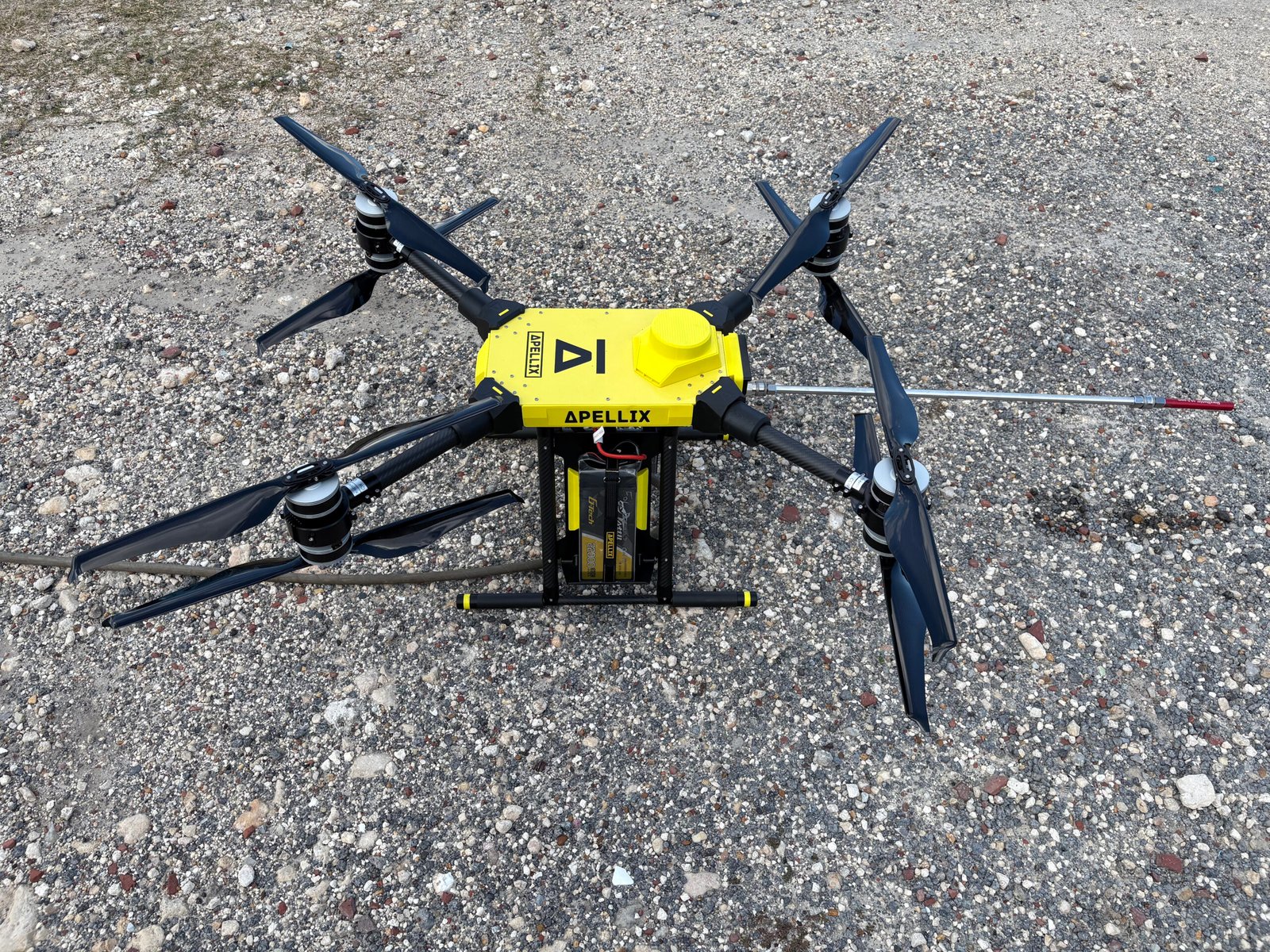
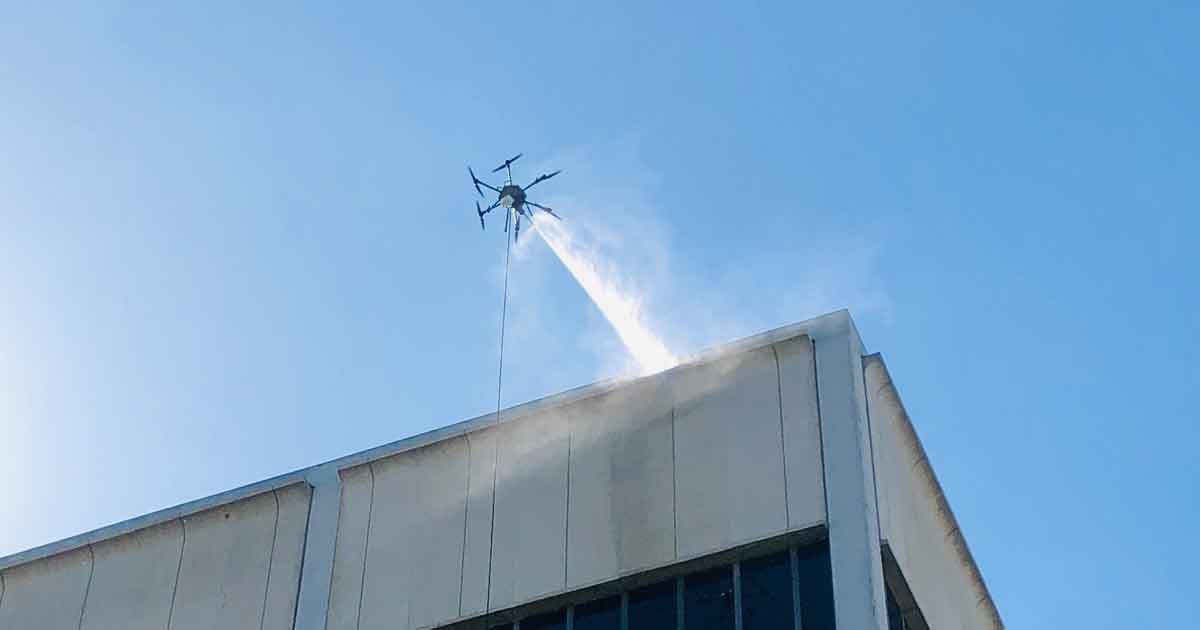
A power wash drone is a flying positioner for your wash head. The fluid still comes from a ground rig that your team already trusts. The drone takes care of aim and standoff. The wash lead on the ground controls pressure, chemistry, and flow. Think of it as moving the last ten feet of your wash lance into the air with precise control while the decision-making stays with your experienced crew.
How the system is set up
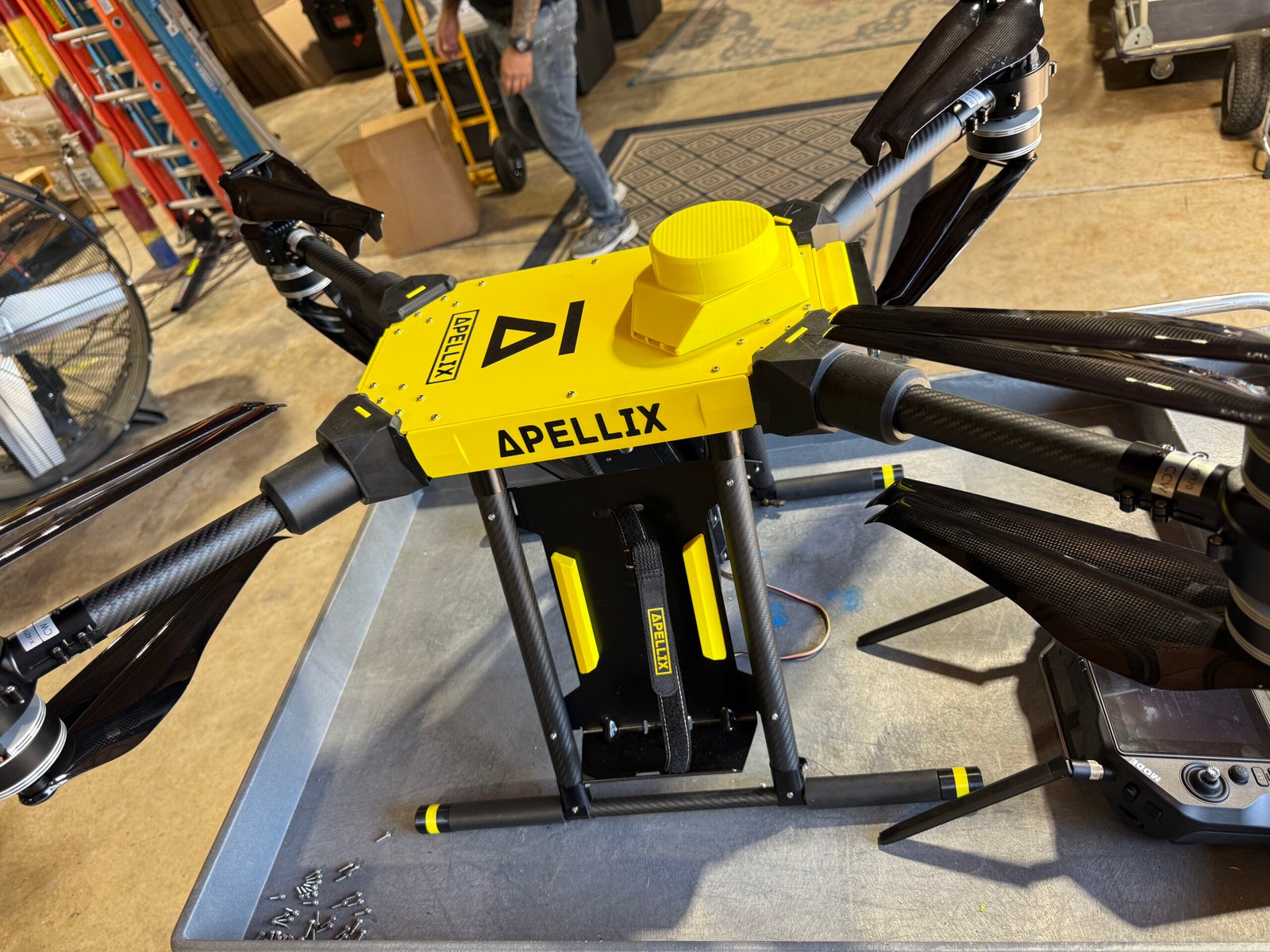
The airframe carries a robust mount for the wand and a quick-change nozzle block. A hose runs from the truck skid to the drone so the rig can deliver steady pressure and the correct mix. The pilot manages the distance to the surface and the flight path. The wash lead manages dwell times and zone changes. Because the fluid stays on the ground until the last moment, you do not carry heavy liquid in the air. That means uninterrupted operation and a consistent spray pattern, even on tall or curved surfaces where lifts struggle to hold a perfect angle.
Why tethered delivery improves consistency
Every cleaner has seen what happens when pressure drifts. Dwell times change, pattern marks appear, and you chase streaks that should not be there. A hose from the ground rig gives you a stable feed and a predictable response when the wash lead makes an adjustment. With the power wash drone holding a steady standoff, the chemistry does the work, and the rinse becomes a controlled finish rather than a rescue pass. The result is uniform panels, fewer callbacks, and a sensible pace that survives normal wind shifts.
Safety and compliance benefits
Everyone understands that you remove risk when you remove time spent at height. The numbers are simple. A pilot and a wash lead operate from a safe zone on the ground. Spotters guard walkways. No one climbs a temporary platform to reach the next section. The risk you did not take is the accident that never happened.
Removing exposure at height
The phrase workers at height stops a room. It covers falls, dropped objects, awkward transfers, and surprise wind gusts that turn a stable platform into a moving target. A power wash drone changes that picture. The pilot and wash lead can complete a large share of the job with their boots on the pavement. When a lift is still needed for the final detail, the exposure window is shorter and the task is lighter.
Better control of overspray and neighbors
Urban jobs live next to glass storefronts, cars on the curb, and people who want their lunch break without mist on the table. A flying nozzle with precise standoff gives you a compact cone of spray. When the wind changes, the pilot adjusts the angle and distance in a second. You keep the work on the target surface, and you keep the sidewalk open more of the day.
Training and airspace basics
Professional operators treat the drone like any other serious machine. Pilots train on the platform. Wash leads learn the communication calls that keep the process smooth. Local rules for commercial flight are reviewed and adhered to. This discipline is familiar to any contractor who already coordinates lifts, barricades, and permits. You are simply adding a better way to put the nozzle in the right place.
Speed and quality on complex assets
Drones are not a party trick for easy walls. They shine where access is awkward and repetition matters. A tall facade with repeating panels, a curved tank with coatings to protect, a stadium shell that collects soot in shallow ribs. The power wash drone steps into these patterns and keeps the pace steady without wearing out the crew.
Facades and tilt-up panels
On a city facade, the limiting factor is not always height. It is the number of resets. Move the lift, untangle the hose, jockey around signage, and protect passersby at every turn. The drone gives you long, continuous passes across large sections. Overlap stays even. Joints and window perimeters receive controlled dwell without the wobble that shows up when a platform sways in a gust.
Tanks, towers, and stadium shells
Curved shells amplify small mistakes. Too close and you scar the surface. Too far and you waste chemistry. The pilot can orbit a tank or stadium skin with the nozzle normal to the surface while the wash lead modulates flow for the transition from shaded panels to sun-warmed sections. That balance gives coatings the gentle treatment they deserve and gets you off the site sooner.
Delicate surfaces that prefer low pressure
Not every surface needs brute force. Some need a soft wash approach with targeted surfactants, gentle pressure, and a thorough rinse. The drone excels here because it can hold perfect standoff and slow the pace for dwell without waves in the pattern. On glass, anodized metal, and heritage stone, that control protects the finish and delivers the glow owners want.
Pressure flow and chemistry in plain language
Two ideas move every wash job. Pressure breaks the bond. Flow carries soils away. Chemistry reduces the effort you ask pressure to do. When you match all three to the material, good things happen.
Match pressure to the material
Exterior concrete tolerates strong jets when coatings allow. Painted metal prefers a lighter touch. Old sealants and hairline cracks demand caution. With a power wash drone, you can hold the correct standoff and stay inside the safe zone for each surface. The wash lead sets the number, and the drone holds the target. No guesswork. No last-minute improvisation.
Flow clears the load.
Flow is your conveyor belt. It gathers soils and takes them off the surface. Large panels, ribbed cladding, and corrugated sections all benefit from serious flow during the rinse. The drone allows long runs, so the rinse can be continuous rather than a series of short bursts. That keeps the work area clean and prevents redeposit at the bottom of each pass.
Dwell time and rinse strategy.
If you rush the dwell, chemistry leaves work on the table. If you linger too long, soils can reattach or streak. The pilot can slow the pass in shaded areas and quicken on warm sections without disturbing the angle of attack. The wash lead watches the bead and calls the rinse at the right moment. This partnership is the quiet reason drone washing looks better to the eye when the sun hits the wall at day’s end.
A simple workflow our crews follow
Clients want to know what the day will feel like. The steps below show the flow that keeps a project tidy and on schedule.
Pre-job survey and plan
We walk the site and mark zones, drains, and no-spray areas. We meet the building team and agree on quiet hours and access routes. We choose chemistry for the soils we expect and set the target pressure range for each material. The pilot and wash lead confirm radio calls and hand signals so the whole crew speaks the same language.
Set up and test pass.
Barricades go up. The rig warms, and the hose route is checked. The pilot lifts for a short pass to confirm standoff and pattern. The wash lead measures dwell and checks runoff control. When the test panel looks correct, we begin the production path.
Production pattern that keeps coverage even
The pilot paints long bands with a set overlap. Corners and returns are saved for a second pass, so the main field stays uniform. The wash leads the dwell time so the pace is easy to follow. When a windy gust arrives, the pilot adjusts the angle and distance, then resets the path so the pattern never shows a twitch.
Quality control and wrap up
Before we stand down, we walk the completed sections with the client team. We correct any misses that show in bright sun, and we document the settings that worked so the next phase begins at full stride. Equipment is rinsed and stowed. Barricades are removed. The site is left clean.
Cost and scheduling wins.
Contractors live inside calendars and budgets. The power wash drone helps both. Fewer lift days mean fewer invoices from rental yards and fewer delays waiting for the correct platform. Faster resets mean more square footage per hour without fatigue. Ground-level operation often shortens permits and reduces the footprint of your work zone. These small advantages stack up until the project manager has a schedule that finally cooperates.
Fewer rentals and less downtime
If a lift is needed only for the final touch or not needed at all, you remove a major source of uncertainty. You also remove a major line item from the cost sheet. Crews spend less time staging and more time producing.
Predictable daily output
When the standoff is steady and the dwell is repeatable, the day becomes easier to forecast. You can commit to a daily number of panels or linear feet with confidence. Owners can plan their days around a reliable rhythm rather than a moving target.
Frequently asked questions
What surfaces are a good fit
Concrete panels, coated metal, glass, brick, stucco, and composite cladding all respond well when you match pressure and chemistry to the material. Curved shells and tall flat fields are particularly efficient because the drone keeps the pattern and overlap consistent.
How does the weather affect the plan?
Light wind is workable. Strong gusts call for a pause. Shade slows the dwell while the sun warms the chemistry. The pilot and wash lead adjust pace and angle so quality stays high. On rainy days, we reschedule like any other exterior trade.
Do you still need licensed operators?
Yes. Professional pilots operate the platform and complete the required training. Ground crews learn the calls and procedures that keep everyone safe. The process looks and feels like the organized work you expect on any serious site.
Can you soft-wash delicate finishes
Yes. The drone excels at gentle work because it can hold a standoff exactly and move slowly without wavering. That control lets chemistry do the heavy lifting at low pressure, then a thorough rinse restores the finish.
The takeaway
The power wash drone is not a novelty. It is the practical way to clean tall and complex assets with fewer surprises and better results. It keeps crews safe on the ground, it keeps production moving in a steady rhythm, and it keeps owners happy with consistent panels that look clean in any light. If you manage high-rise facades, tanks, towers, or stadium shells, bring this tool to your next project plan and watch the day simplify.