Every facilities manager wants faster schedules without safety compromises. Traditional lift-based washing can deliver good results, yet it brings rentals, resets, wind holds, and crew exposure at height. The alternative is drone pressure washing, a method that positions the spray where the work is while the team stays on the ground. When you compare the two approaches side by side, the differences in pace, risk, and predictability become clear.
What drone pressure washing changes
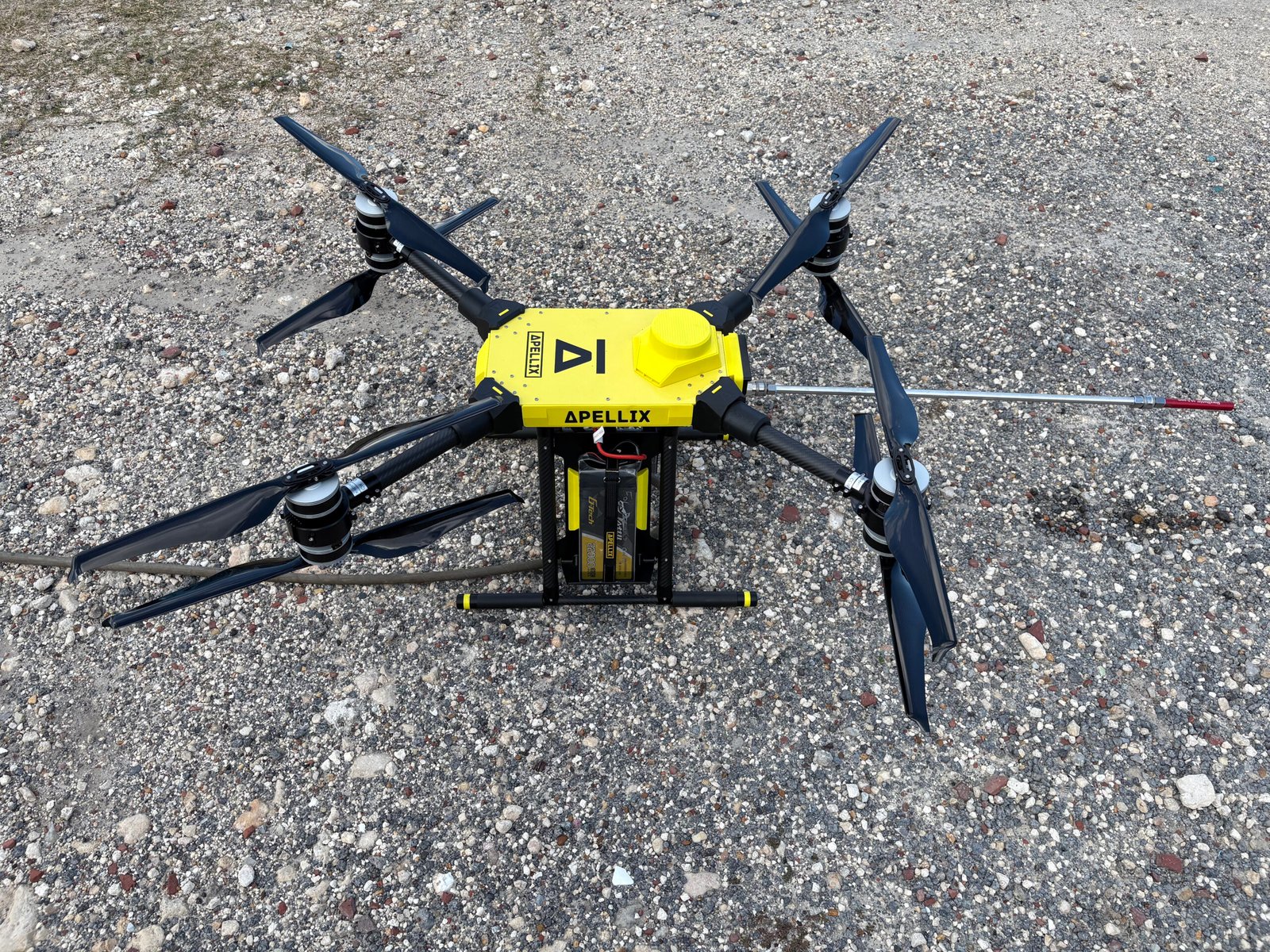
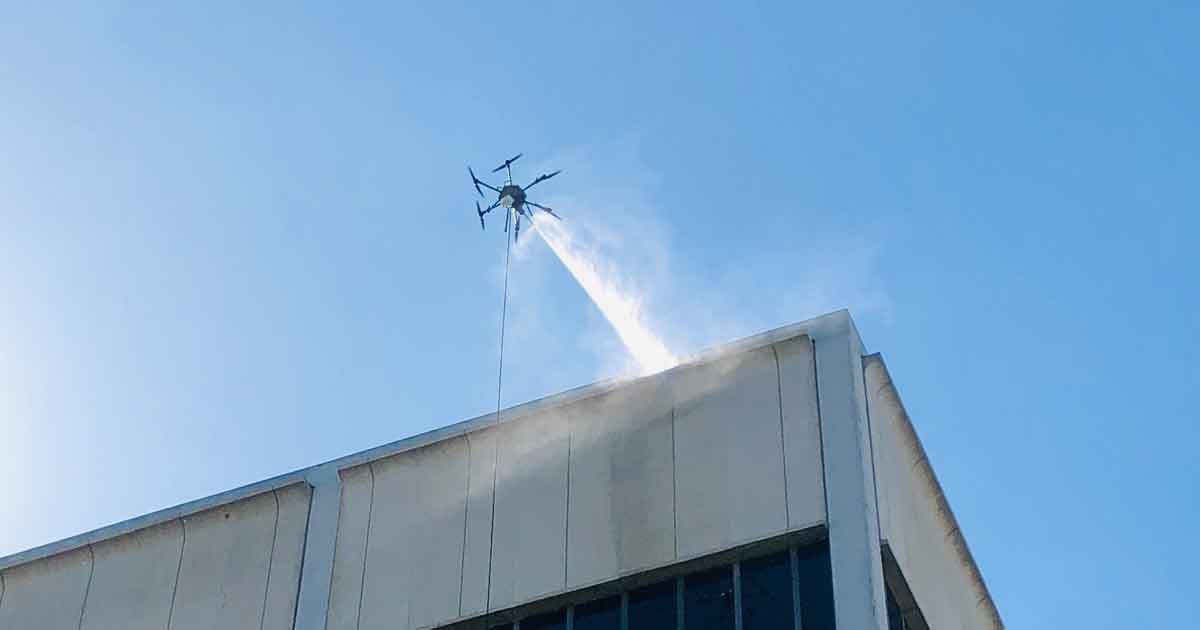
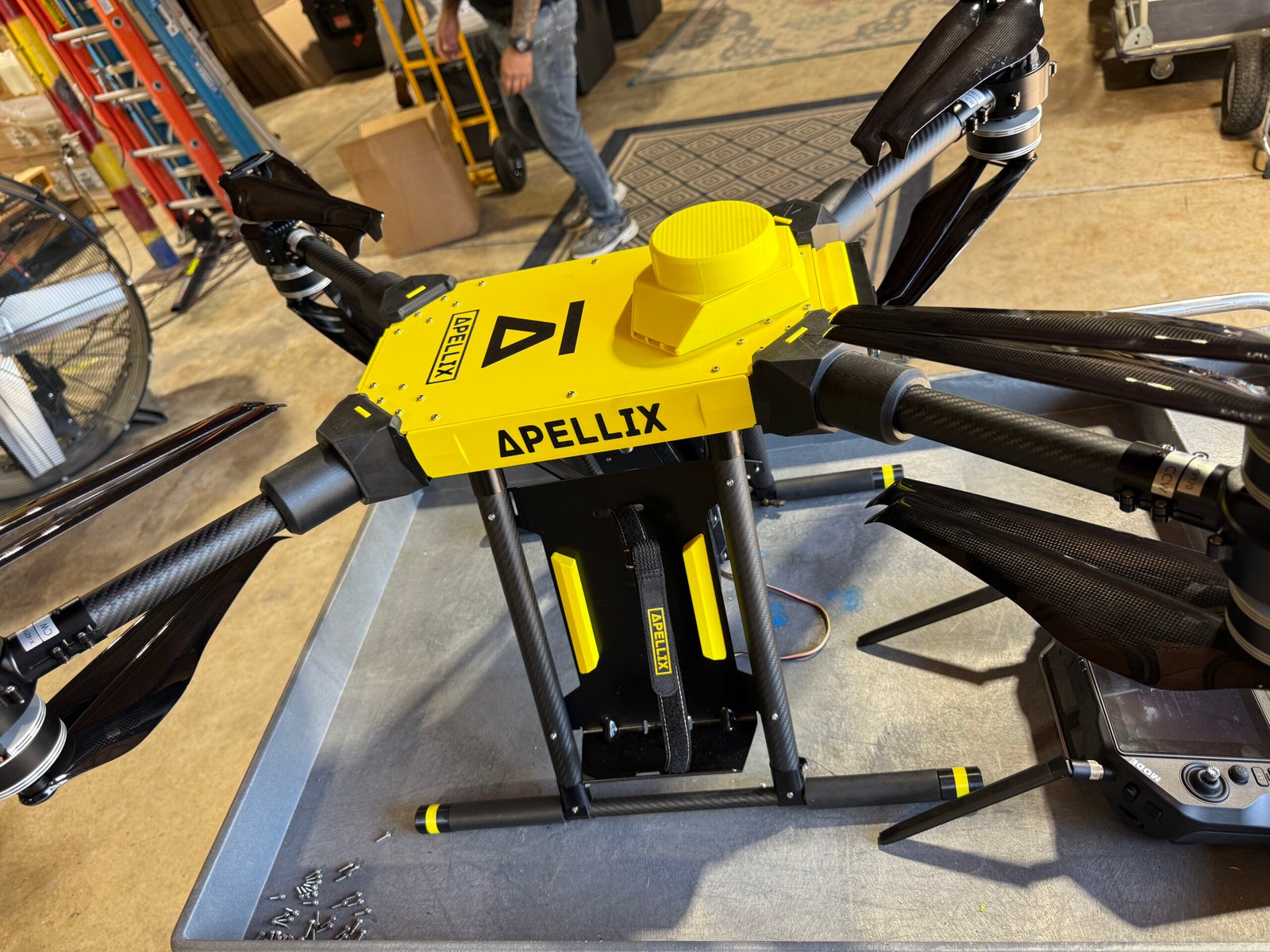
The idea is simple. A pilot controls a flying positioner that holds the wash head at the correct distance from the surface. A wash lead on the ground manages pressure, flow, and chemistry. You keep the same industrial rig your crew already trusts. You just move the last few feet of the lance into the air. This single change eliminates many of the delays and hazards that come with large access equipment.
A smaller footprint with fewer site disruptions
Lifts need staging areas, access lanes, and frequent moves. Drone pressure washing uses a compact work zone with barricades and spotters. Sidewalks can remain open more of the day. Tenants and neighbors feel less impact, which makes the project easier to live with and easier to schedule.
Precision at height without fatigue
A lift basket can sway and force awkward body angles. The drone keeps a steady standoff and angle over long passes. The wash lead sets the recipe, and the pilot paints consistent bands. The result is a uniform finish that does not depend on one perfect moment when wind and platform movement line up.
The real cost of time with lifts
Lifts do more than raise a work platform. They add hidden minutes that pile up into hours and days.
Mobilization and permits
Getting a lift on site can involve route planning, permits, and traffic control. Once the lift arrives, you still need to stage it, test it, and find the exact reach for each area. That is before a single square foot is washed.
Reset the time that breaks the momentum.
Every move interrupts the pattern. Crews pause to retract, travel, and set outriggers. Hose management slows again and again. The stop-start rhythm shows up in your daily totals and in crew energy by mid-afternoon.
Weather sensitivity
Gusty conditions can halt work on a tall reach even when everything else is ready. Drone pressure washing also respects wind limits, yet the platform does not carry people and can adjust approach angles quickly. The practical result is more productive windows on marginal days.
How drone pressure washing accelerates the schedule
Speed is not a party trick. It comes from fewer resets and a workflow that keeps the process in motion.
Set up that starts the day faster
The team marks zones, secures hose routes, briefs calls, and lifts for a proof pass. When the look is right in shade and sun, production starts. You replace long staging periods with short confirmations, which means real cleaning begins earlier in the morning.
Long continuous passes
The pilot traces wide bands with consistent overlap. Corners and returns get a second pass, so the main field stays even. This steady motion is where the hours add up. The drone never gets tired of holding a perfect angle at the fiftieth window bay.
Predictable daily output
When angle and standoff are stable, dwell and rinse become repeatable. A supervisor can commit to a daily number of panels or linear feet and hit it with confidence. That predictability is worth as much as raw speed because it lets you lock a sensible calendar.
Safety advantages you can measure
Most incident logs tell the same story. Risk rises when people work at height and when heavy equipment moves around pedestrians. Drone pressure washing treats both issues at once.
Working from the ground
Crews stand in a safe zone on the pavement. Spotters protect public paths. The nozzle is at height, but the people are not. That change removes exposure to falls, awkward transfers, and overhead hazards for most of the surface.
Smaller ground footprint
A compact work area means fewer interactions with loading docks, storefronts, and crosswalks. Neighbors see a calm site rather than a large machine navigating tight spaces. Calm sites have fewer surprises.
Clear roles and communication
Pilots, wash leads, and spotters use simple calls for start, pause, dwell, and rinse. Everyone understands what happens if the wind rises or a passerby approaches a barricade. This discipline translates directly into safer operations.
Quality and finish that hold up in bright light
Speed and safety do not matter if the surface looks patchy at sunset. The drone method builds quality into each pass.
Consistent standoff and angle
Uniform distance means uniform impact. The pattern does not show swoops or arcs. Windows and panels read as a single field rather than a collage of good and bad moments.
Dwell and rinse discipline.
Chemistry needs time to loosen the bond. Rinse needs a flow to carry soils away. With the pilot holding pace and the wash lead calling dwell, the process becomes a metronome. That steadiness reduces streaks and halos that often cause rework.
Curved and complex geometry
Domes, tanks, stadium skins, and deep ribs punish small errors in angle. The drone keeps the nozzle normal to the surface as it moves. The consistency is visible even from the ground.
A day on a tilt-up facility
Concrete panels are common and demanding. They show water paths, collect road film, and often rise two or three stories with few breaks. This is a natural test for the method.
Morning plan
The crew walks the site with the owner rep. Drains and no-spray zones are marked. The recipe is set for a road film on concrete. A proof pass locks the look, so everyone knows the standard.
Production passes
The pilot paints long horizontal bands across the tilted concrete work. Overlap is constant. Edges and window returns get a second pass. The wash leads to dwell times and keeps the pace steady through sun and shade. When wind shifts, the pilot adjusts the angle to keep overspray off parked cars and walkways.
Wrap and inspection
At midday and the end of the day, the team inspects in bright light. Small corrections happen immediately. The owner rep sees clean panels without zebra marks or abrupt transitions. The daily target is met without drama.
Budget math that favors the drone
Numbers vary by market, yet the structure of the savings is consistent.
Rental days that disappear
If the drone handles the main field, many projects eliminate lifts entirely. In other cases, the lift is on site for a fraction of the hours and used for small details. Fewer rental days and fewer permit days reduce cost and risk at once. Teams call this zero lifts when access is simple enough to leave platforms in the yard.
Labor that stays productive
Reset time becomes flight time. Crews move more square feet per hour because they are not wrestling platforms or chasing hoses around outriggers. A steady pace also means fewer overtime surprises.
Rework that never starts
Uniform standoff and rinse reduce the misses that demand a second visit. When quality is built into each pass, the budget stops bleeding hidden hours.
When a lift still makes sense
No method solves every scenario. Some architectural details or sheltered alcoves need close attention from a platform. The difference is scope. The drone completes the majority. The lift handles short, specific tasks. Exposure to height is limited, and the calendar stays friendly.
Questions teams ask before they switch.
What about wind
Light wind is manageable. The pilot adjusts the angle and distance to protect neighbors. Strong gusts pause the job, just as they would with a platform. The standard is quality first and safety always.
How loud is it
The sound profile is a pressure rig and a working aircraft rather than a large machine driving and elevating. Many sites report that the day feels calmer and easier to live with.
Who needs training
Professional pilots operate the platform. Wash leads understand dilution and runoff control. Spotters manage the public interface. The crew learns clear calls so communication cuts through rotor noise.
Can you soft-wash delicate areas
Yes. The same platform can hold low-pressure passes with the correct surfactants. The drone excels at gentle work because it can maintain exact standoff without wavering.
How to adopt the method without risk
Start with a pilot project on a single elevation. Agree on the visual standard during the proof pass. Document the recipe that works. Once the team has a rhythm, expand to a full asset. The learning curve is short because the core science does not change. You just apply it with better access.
The takeaway
Lift-based methods will always have a place, yet drone pressure washing is the practical choice for tall and complex assets when you want predictable schedules and a calmer safety profile. You get faster job completion, safer operations, and a finish that holds up in the harshest light. For portfolios that include facades, tanks, towers, and large concrete panels, moving to this approach is the direct route to a schedule that cooperates and a result you are proud to show.