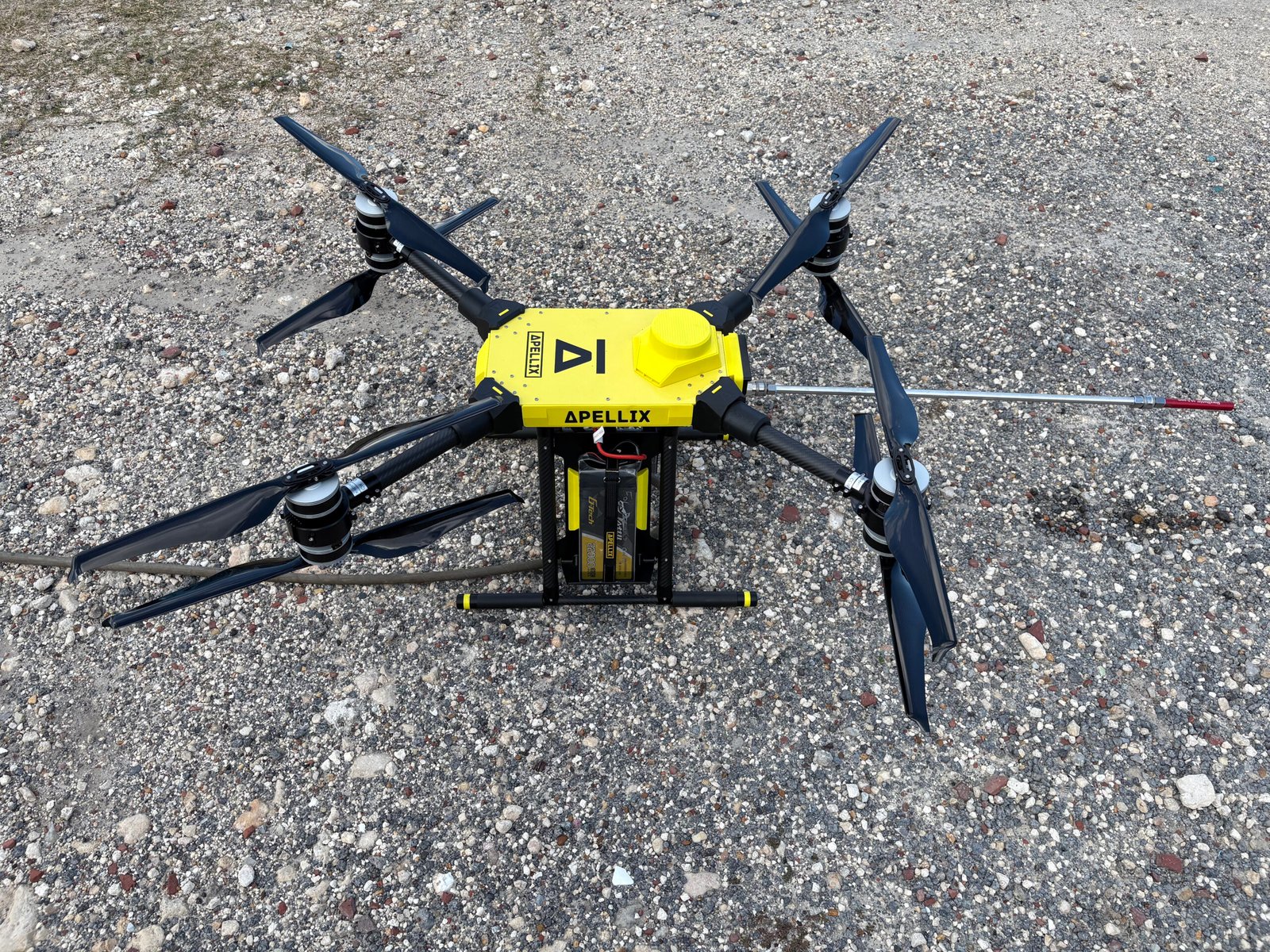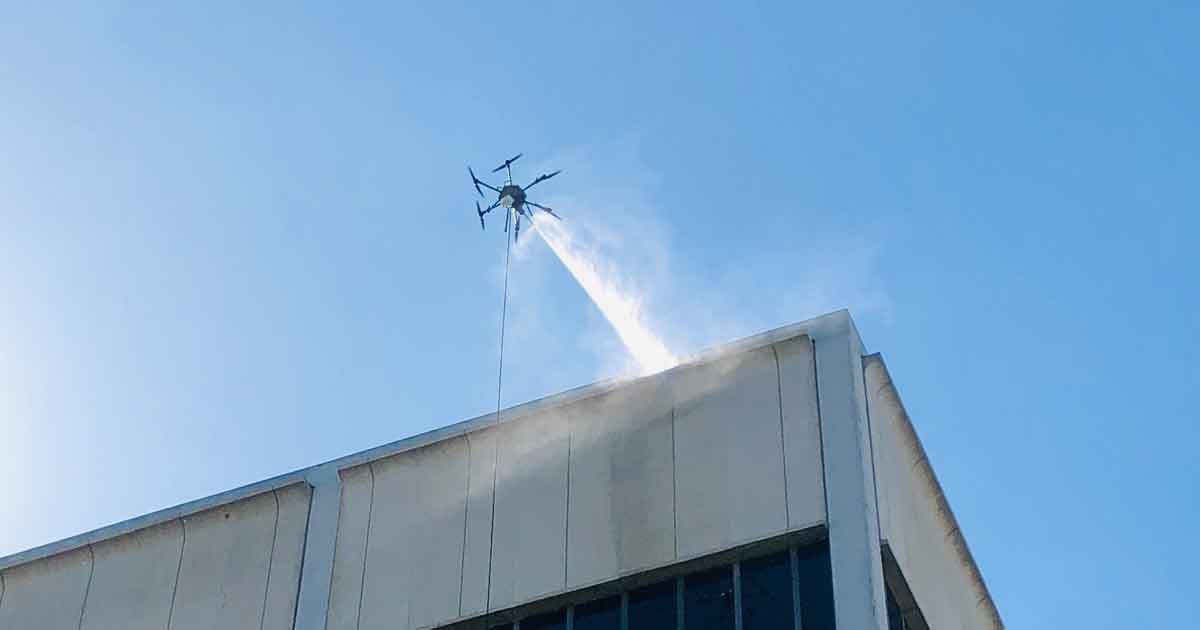
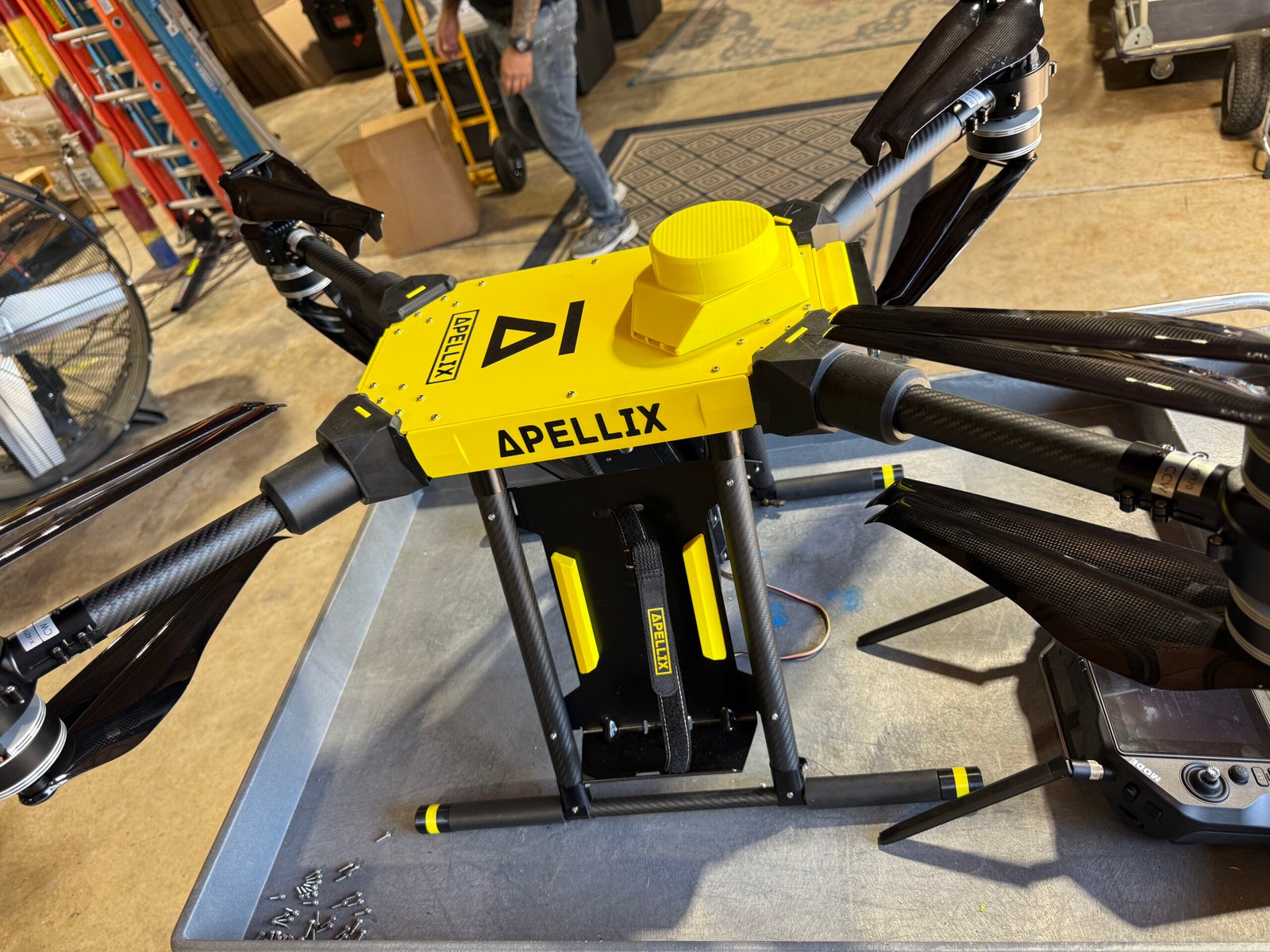
Delicate architecture deserves a cleaning method that respects finishes and protects the team. Tall glass, anodized metal, coated composites, and heritage stone present a common puzzle. You need reach and consistency without risking etching, streaking, or damage from aggressive jets. The answer is a soft wash drone. It moves a precise applicator to the surface while the crew stays on the ground, so you maintain control of dwell time, flow, and rinse quality with far less disruption to the site.
Why soft wash is different
Traditional pressure washing relies on force. Soft washing relies on chemistry, controlled dwell, and a thorough rinse. The goal is to break down organic films and loosen soils with a low-pressure application, then carry everything away with a steady flow. A soft wash drone makes that process repeatable on tall or awkward surfaces. The pilot holds the standoff and the angle. The wash lead manages dilution and timing from the rig. The result is a uniform finish that looks even in morning shade and afternoon sun.
Surfaces that benefit most
Glass wants clarity without micro scratches. Anodized aluminum wants a gentle touch that preserves the oxide layer. Coated metal panels respond best when the cleaner has time to work rather than being blasted. Natural stone needs respect for pores and mortar lines. A soft wash drone treats all of these surfaces with the same discipline. It keeps the nozzle at a proper distance, avoids hot spots, and lets chemistry do the heavy lifting.
Where soft wash shines in real projects
Modern facades mix materials across wide spans. A single elevation can include curtain wall glass, powder-coated louvers, and composite cladding. Crews must change pressure and technique section by section when working from a lift. With a soft wash drone, the transition is smooth. The pilot adjusts path and pace. The wash lead adjusts mix and flow. You move through mixed materials while maintaining the correct care for each one.
How the workflow runs on site
Owners and property teams care about process as much as results. A clear plan builds trust and reduces surprises. The soft wash drone fits into a clean, repeatable workflow that keeps sidewalks open and tenants comfortable.
Site walk and plan
Before any hose is unrolled, the crew walks the site. Drains, no spray zones, air intakes, and public paths are mapped. The team selects a cleaner suited to the soils expected and confirms the safe range for every surface. The pilot and wash lead agree on calls for start, pause, dwell, and rinse. Everyone knows the plan and the boundaries.
Set up and proof pass.
Barricades and signage go up to define the work area. Hose routes are secured to avoid trip points. The pilot completes a short proof pass on a lower section to confirm standoff and pattern. The wash leads the dwell and checks the bead formation. The client contact can watch this step to align with the standard for the day.
Production with a steady rhythm
The soft wash drone paints long bands with consistent overlap. Dwell time is counted aloud, so the pace is audible to the whole crew. On glass, the pilot holds a strict angle to avoid flare. On coated metal, the pilot slows the pass slightly to help chemistry loosen road film. If wind shifts, the pilot changes the approach to protect pedestrians and parked vehicles. The pattern stays uniform, and the rinse remains even.
Quality control and wrap
At the end of each zone, the team inspects the work in both shade and sun. Any remaining marks are addressed before moving the barricades. The rig is rinsed, the area is left clean, and a brief report documents what dilution and dwell produced the best result. The next visit begins with that recipe already proven.
Safety and compliance advantages
Keeping people on the ground is the headline safety benefit. No one rides a swaying platform. No one leans over a guardrail to reach a corner pane. Spotters protect the public while the crew works from a safe position. The soft wash drone also reduces the footprint of the work zone. Barricades can be tighter. Sidewalks can remain open in many cases. This calmer footprint lowers stress for building staff and tenants.
Training and communication
A professional operation does not leave safety to chance. Pilots are trained on the platform and practice precise standoff and path control. Wash leads understand dilution tables and runoff containment. Spotters use plain language calls that every crew member understands. The drone is part of a system that respects airspace rules and site protocols in the same way a lift or a crane would be managed.
Protecting finishes while boosting quality
A gentle process is not just safer for materials. It often looks better. When dwell and standoff are consistent, the eye sees a uniform sheen. Window edges match center panes. Panel seams do not show scallops or arcs. The rinse leaves no zebra stripes on sunny days. Owners notice the difference and remember the team that delivered it.
Glass and glazing
Glass shows every shortcut. Overspray clouds the view. Uneven dwell leaves faint S shapes that appear at sunset. A soft wash drone holds the nozzle distance and angle so the detergent works and the rinse falls evenly. Frames and gaskets are treated with the respect they deserve. The result is clean glass that stays clean longer because residues have not been smeared across the surface.
Coated metal and composites
Painted and powder-coated panels prefer moderate pressure and the right chemistry. Too much force lifts oxidized material and can scar the finish. The drone allows a slow, even pass with a rinse that clears soils without driving water behind joints. Composite cladding benefits in the same way. You get bright panels without wear marks.
Stone and masonry
Stone and mortar absorb and release moisture at different rates. High pressure can gouge soft matrix or open hairline cracks. Soft wash keeps pressure low and favors dwell. The rinse removes soils without chewing on the surface. On heritage stone, this respect preserves character and reduces the need for patching.
Chemistry, pressure, and flow in balance
Three levers run every cleaning job. Chemistry loosens the bond, pressure opens the film, and flow carries everything away. A soft wash drone helps you balance these levers because it separates aim from decision-making. The pilot focuses on path and distance. The wash lead focuses on dilution and timing.
Choosing the right dilution
Mix is set to match the soil and the surface. Organic films respond to one recipe, urban soot and light oils respond to another. The wash lead measures dilution rather than guessing. When the pilot keeps pace steady, the dwell is predictable, and the mix can do its work.
Using pressure with care
Soft wash keeps pressure low. That does not mean weak. Low pressure with the correct chemistry removes more soil than high pressure alone, especially on sensitive finishes. The pilot avoids sudden changes in distance that would spike impact on a small area. The overall effect is strong cleaning without surface stress.
Flow and rinse discipline.
Flow is how you carry soil away. The rinse follows the same path as the application used, which avoids streaks. Corners and edges receive a final pass to prevent drip marks. The soft-wash drone makes this rinse precise because it tracks the path it just painted. The finish looks right from every angle.
Environmental and tenant-friendly by design
Soft wash is quieter compared to aggressive blasting. Tenants can keep meetings, and restaurants can keep service. Overspray is controlled by careful angle and standoff. Runoff is managed with covers and temporary channels. The crew protects landscaping, sensors, and storefront displays. The site feels organized rather than chaotic, which matters as much as the shine on the glass.
Cost and schedule gains without cutting corners
Owners and general contractors judge success by the calendar and the ledger. A soft wash drone reduces lift rentals on many scopes, shortens resets, and increases hourly coverage on tall elevations. That efficiency does not ask you to take risks. It comes from a smarter way to put the nozzle where it belongs.
Predictable production
Because the pass speed and overlap are controlled, daily output becomes easier to forecast. You can commit to a number of bays or linear feet per day and hit it. This predictability helps property teams plan access, security, and communication with tenants.
Less rework
Uniform dwell and rinse leaves fewer streaks and halos. Crews spend their time moving forward rather than chasing imperfections. The quality that is built into each pass eliminates the hidden hours that wreck a schedule.
Frequently asked questions
Can you treat mixed materials on one elevation?
Yes. The process adapts to glass, metal, stone, and composites in one continuous plan. The pilot changes pace and path. The wash lead adjusts dilution. The work stays gentle, and the outcome remains uniform.
What about windy days
Light wind is manageable through angle and distance adjustments. Strong gusts call for a pause. The crew makes that decision on site and maintains the standard rather than pushing through conditions that could compromise quality or safety.
Do we need to shut down sidewalks?
Often, you can keep public paths open with spotters and barricades. The work zone is smaller than a large lift footprint. When a temporary closure is required, it is usually shorter and more focused.
Is a soft-wash drone suitable for solar arrays?
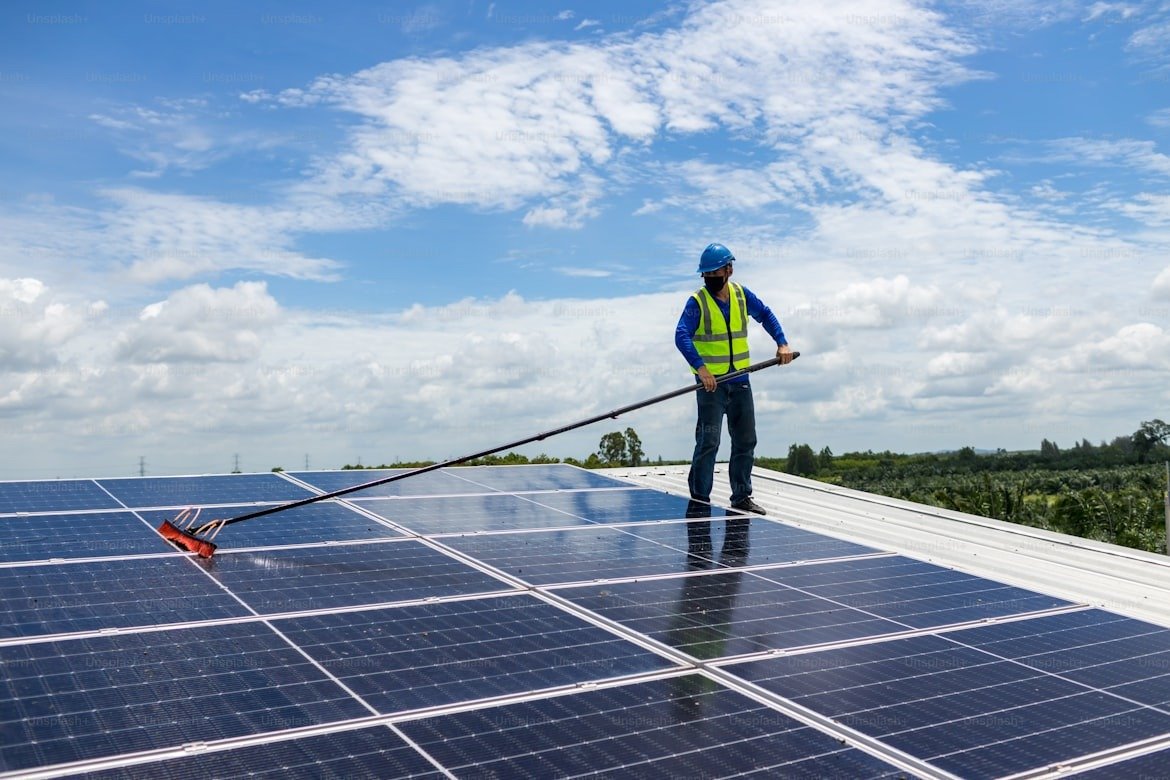
Yes. The same gentle process works for solar panel washing. Controlled standoff, clean water, and careful rinse protect coatings and connectors. The result is a clear surface and a fast return to expected output.
The takeaway
The soft wash drone gives building owners and contractors a practical way to clean sensitive facades at height. It protects finishes, protects people, and improves the pace of the work without drama. When you want glass that sparkles, metals that hold their sheen, and stone that keeps its character, this approach delivers the result with less stress for everyone involved.